


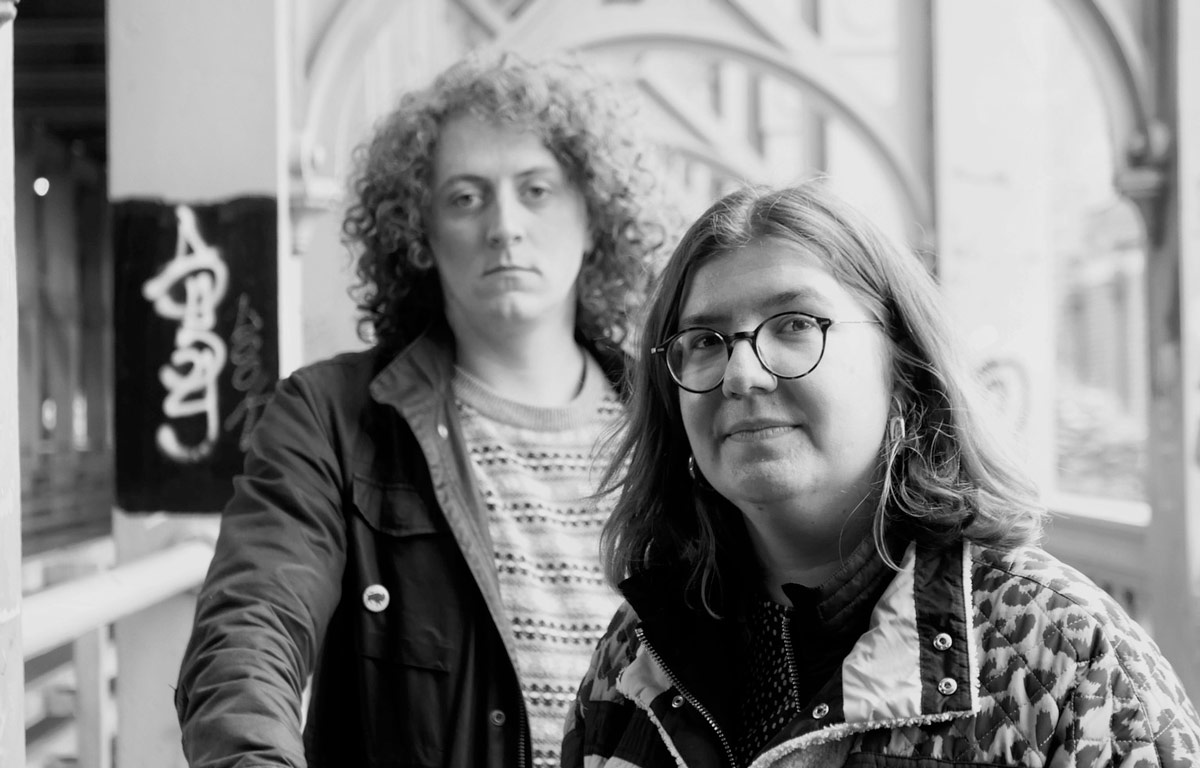
AMY LEACH & ALASDAIR PAUL
They’ll Aye Remain
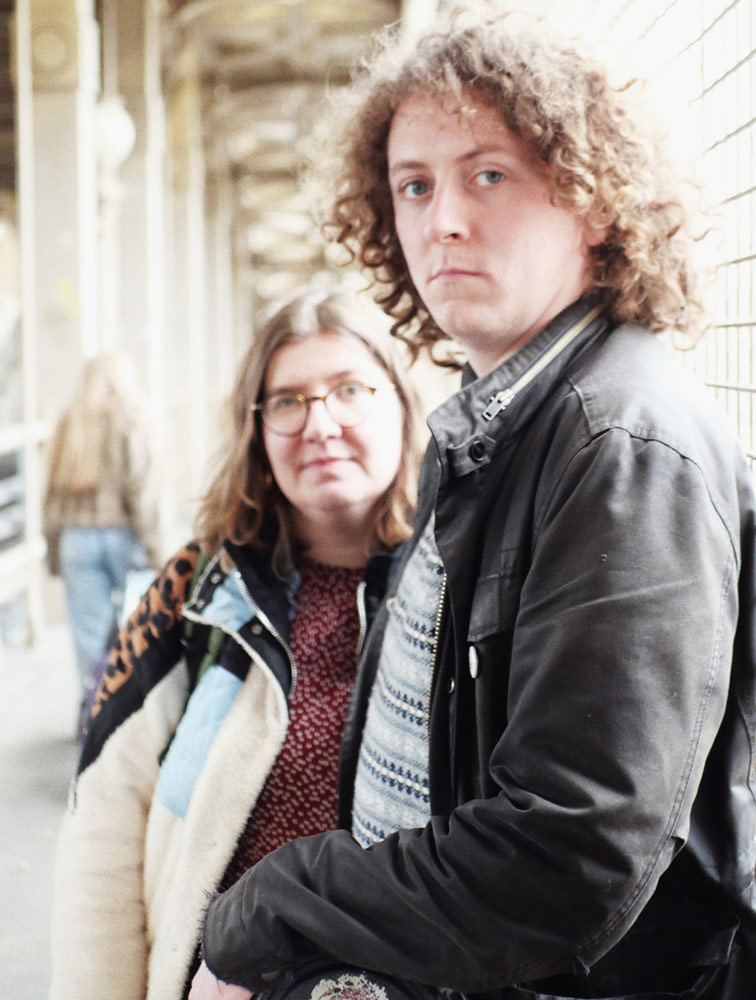
The folk and acoustic music scene is currently blessed with artists carrying the torch for old songs which still remain relevant today together with songs from more recent times that carry the echoes of tradition. In my neck of the Kentish woods, for example, we have Folkestone-based Nick Lawrence, whilst the Welsh tradition is being firmly upheld by the likes of Gwilim Bowen Rees and Carys Hafana. With They’ll Aye Remain, a title taken from words of Traveller, singer and tradition bearer Lucy Stewart, who believed that the old songs would not die out because thy are beautiful and sensible, Edinburgh singer Amy Leach and Highland born, but now Newcastle-based, guitarist Alasdair Paul ensure that Scotland continues to get a high profile in this respect too.
Despite having been singing songs together for many years this release marks their debut full-length album. Recorded over a week in September 2025, in the peaceful setting of South Lanarkshire, this is a collection of songs that they love to sing, “a collection of stories that grabbed their imagination, melodies that sang to them and a good smattering of Scots leid,”(language).
Opening track ‘Stone and Lime Wall’, which the duo claim is rarely sung today due to the lyrics containing some of the least romantic metaphors found in the oral tradition, is taken from the Grieg-Davidson Folk Song Collection from north-east Scotland, completed in the years of the 20th Century up to the First World War and later edited and published, first between 1981 and 2002 and then, in a truncated form in 2009. Alasdair’s initial guitar notes are joined by Amy’s fine voice and the sympathetic double bass lines of Bevan Morris on a song which sets the aural landscape for what is to follow.
Two muckle sangs, Scots for ‘big song’, a long, traditional Scottish narrative ballad passed down through the generations orally, follow in succession. The first of these is ‘Mirk Mirk’, is Rabbie Burns’ retelling of ‘Fair Annie of Lochroyan’, and the second ‘Mary Mild’. Lyrically, both are dark tales delivered with sparse, stripped-back accompaniment and showcase how well Amy’s voice and Alasdair’s playing blend together.
The mood lightens with the more upbeat ‘Herd Laddie’, a paean of praise to shepherds which sees Alasdair not only contributing vocals, as he did on the album opener, but also demonstrating his skill on electric guitar, before the duo return to the Grieg-Davidson Collection with ‘To A Meeting’, an eerie tale which contains the advice “There’s not a man among a hundred a woman should trust” and which sees Rachel Newton, who produces this album, also adding her considerable vocal talent to proceedings.
The theme of love gone wrong, which runs a thread over the course of the 12 tracks, also has an outlet via ‘Rue and Thyme’, a second song from the singing of Maureen Jelks, (the first being ‘Mary Mild’), a version of the song known south of the border as ‘Sprig of Thyme’, with Amy’s piano providing an evocative background.
The duo also venture south and return to an agrarian theme with ‘The Carter’. Here, Paul takes lead vocals on an Oxfordshire song which extols the virtues of a carter and his horses which they heard being sung at the Bromyard Festival by Dave Webber & Anni Fentiman, who, somewhat appropriately, learnt it from singer Bob Arnold, possibly better known as Tom Forrest from the Archers.
 Rachel returns to provide second vocals on ‘Tansey’, a jaunty, albeit slightly macabre track featuring animated guitars and wonderful harmonies, before we are treated to the first of two songs inspired by Lizzie Higgins. The first of these, ‘Babby Allan’, delivered as an unaccompanied duet, is delightful, whilst ‘Young Emslie’, as the highly informative Tobar an Dualchais website tells us, is a tragic murder ballad in which Emslie’s sweetheart, Edward returns with a great deal of money gained from plundering the lowlands. She warns him not to tell her parents and then has a dream in which Edward has been murdered, and on awakening confronts her parents. They admit to killing him and she tells them “For the murdering of my ain true love, Yous will die on a public show.”
Interspersed between the two is the only instrumental offering, ‘Something For Dave’, a reflective piece written by Alasdair for the late Dave Brocksopp, a singer and songwriter from the Newcastle folk scene.
The album closes with the gentle, piano-led strains of ‘Be Kind To Yer Nainsel’, (Be kind to your own self), which Cecil Sharp House catalogues as Roud 2480, and the album sleeve notes inform us is a version of ‘The Land of The Leal’, the land of the loyal or faithful, (heaven), written at the end of the 18th Century by Lady Nairne, but thought at one time to have been composed by Burns on his deathbed, a solemn way indeed on which to end.
The release of They’ll Aye Remain by Amy Leach and Alasdair Paul is a valuable contribution to the Scots song tradition, which more than meets the duo’s stated aim of passing such songs on.
Visit Amy and Alasdair's Facebook page

They’ll Aye Remain